


Previous Story
Faces At The Convention
Posted On 06 Oct 2015
Comment: Off
The Singapore Toy, Game and Comic Convention is an annual affair that showcases cosplayers, 3D figurines, merchandise and collectibles, and a card duelling arena. Lifestyle Writer Ariel Pang does a round-up of the event by uncovering different facets of the pop culture convention.
By Ariel Pang
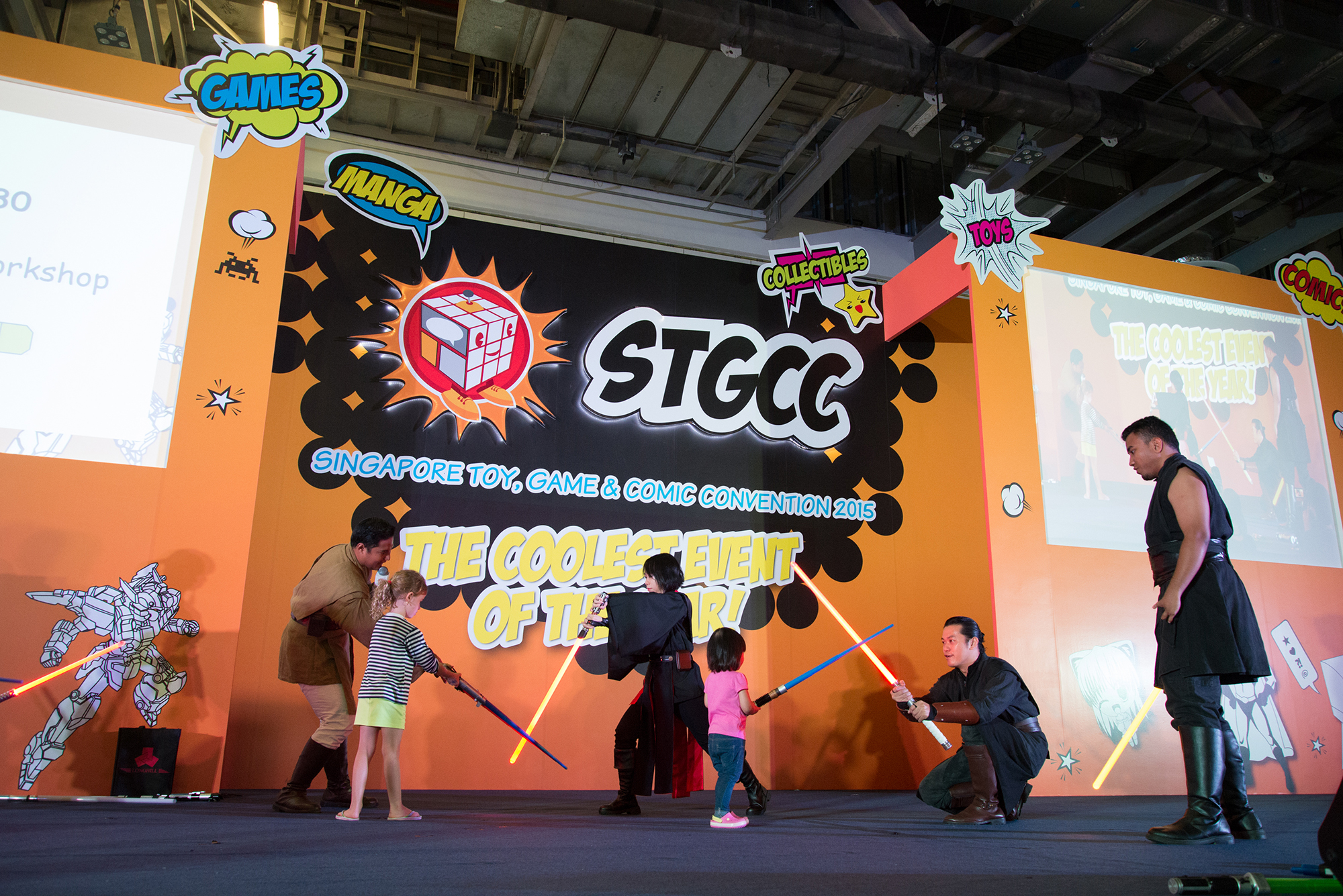
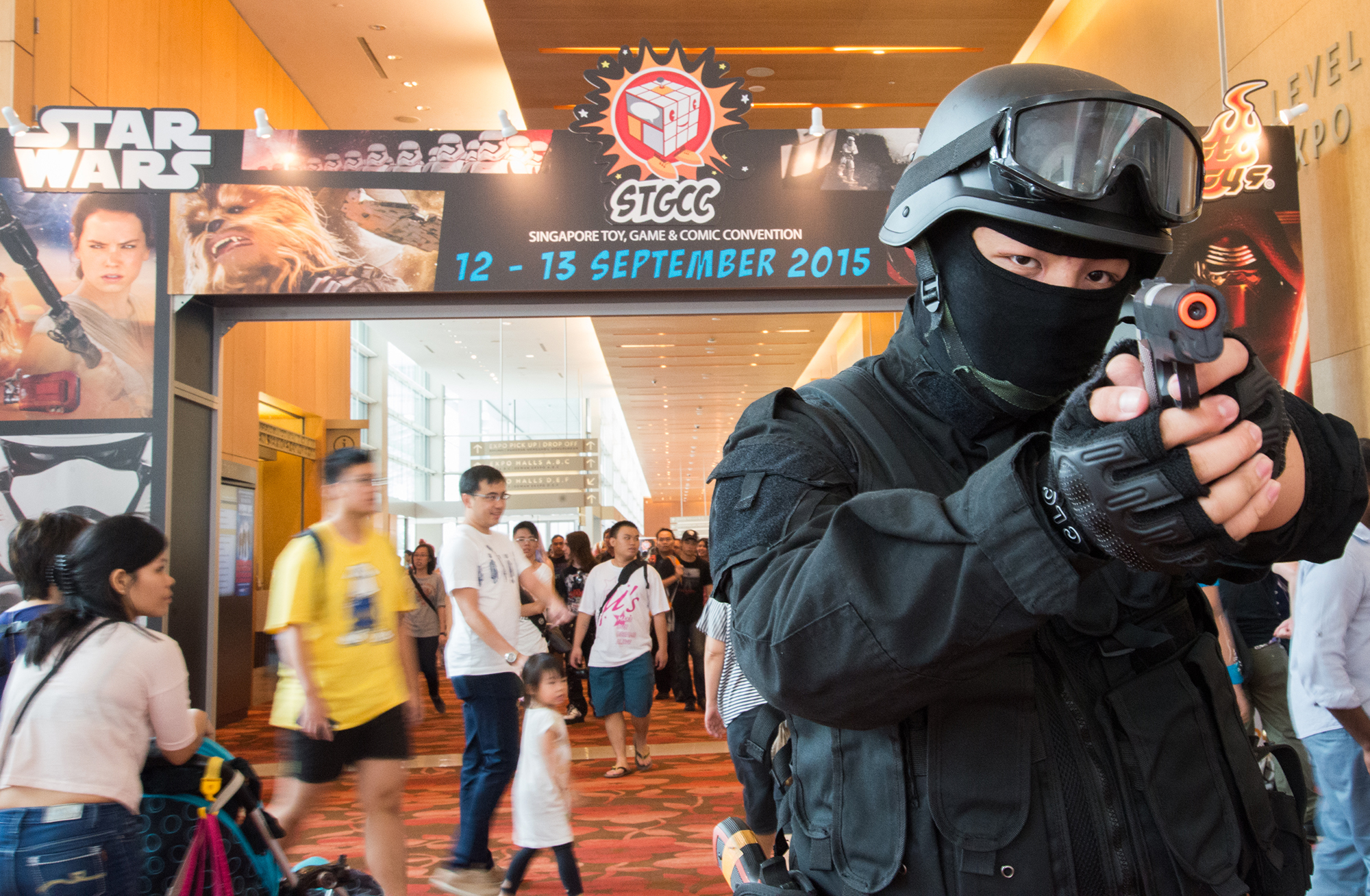
The Singapore Toy, Game & Comic Convention (STGCC) returned for its eighth instalment on 12 and 13 Sep at the Marina Bay Sands Expo and Convention Centre. The convention hosts programmes and events that incorporate popular characters from famed franchises such as Star Wars and Marvel.
PHOTOS: NG KAI YUAN
When it comes to comic conventions like STGCC, cosplayers first come to my mind because of their memorable costumes and makeup, as well as the dedication put into each cosplayer’s outfit and prop design.
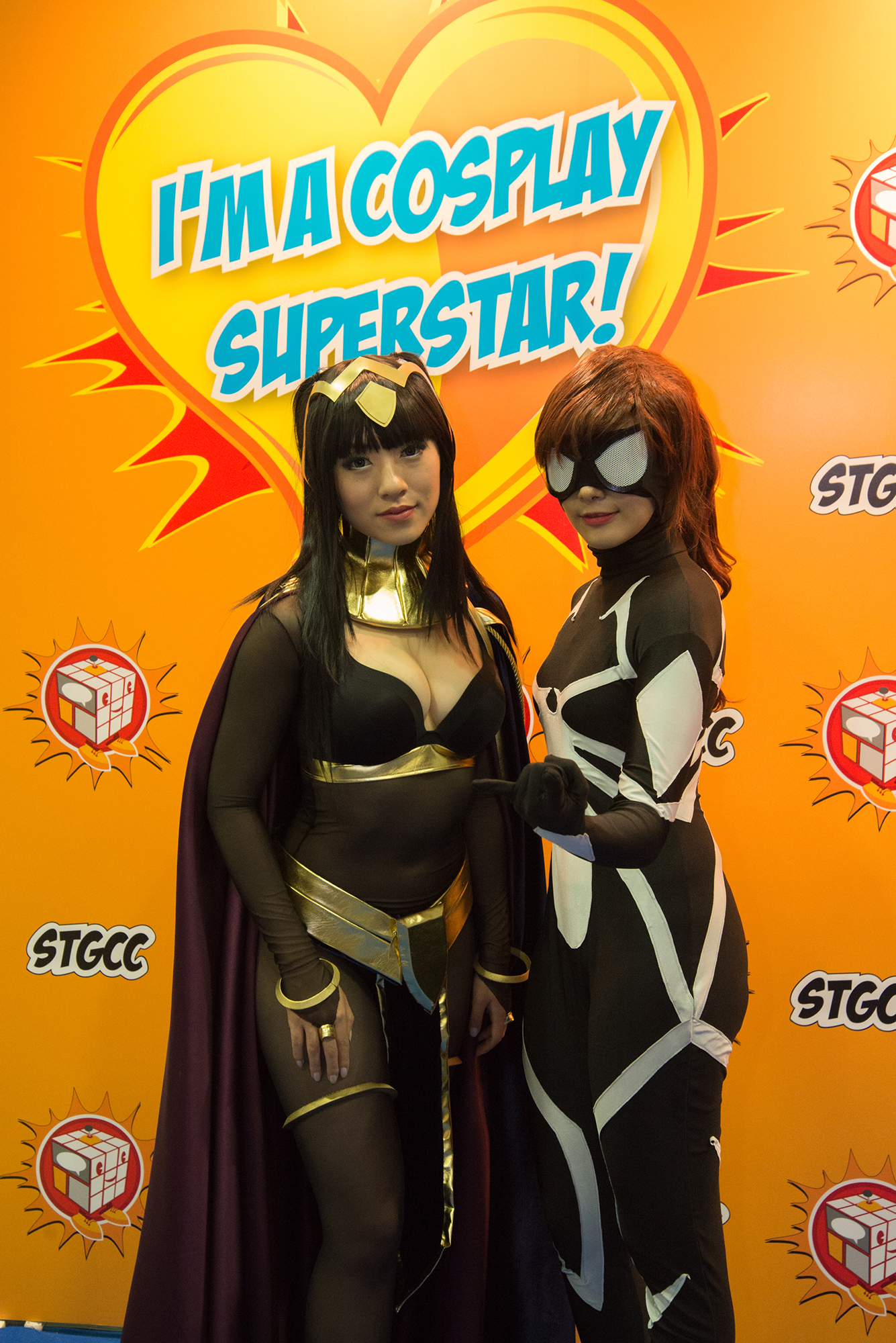
The first cosplayer who caught my eye when I stepped into the bustle of the Sands Expo and Convention Centre was famous American cosplayer Ms Stella Chuu, 27. She was decked out in a black and golden outfit, with a deep purple cape to complete the look. While it looked like a simple costume, a closer look revealed elaborate touches like golden trimmings and hair accessories, which gave her a resemblance to Tharja from the video game Fire Emblem: Awakening.
PHOTOS: NG KAI YUAN
Ms Chuu, who was in Singapore for the first time, is known for her signature combination of cosplay elements with burlesque. The New York City resident was specially invited to STGCC as a guest cosplayer and held her own meet-and-greet session, where she signed autographs and took photographs with her fans.
With over ten years of cosplaying experience under her belt, Ms Chuu has taken to crafting her own props, a task that requires much innovation and creativity. For example, she handcrafted a large shuriken (star-shaped weapon) in order to cosplay Yuffie Kisaragi from Final Fantasy VII (FF VII) on the first day of STGCC. The shuriken in FF VII had rivets holding it together, but Ms Chuu stuck googly eyes in place of false paper rivets — a creative twist that surprised me — before spray-painting the weapon.
“They really have the perfect size and shape, so when you shake my shuriken, you can hear the googly eyes shaking,” said Ms Chuu.
Despite the effort that goes into making props, Ms Chuu advised against bringing large props to conventions because they are fragile and difficult to transport. Instead, cosplayers should use them only for photo shoots.
However, if one really wishes to bring some form of props to conventions, she suggested creating a few scale models of larger props for easier transportation.
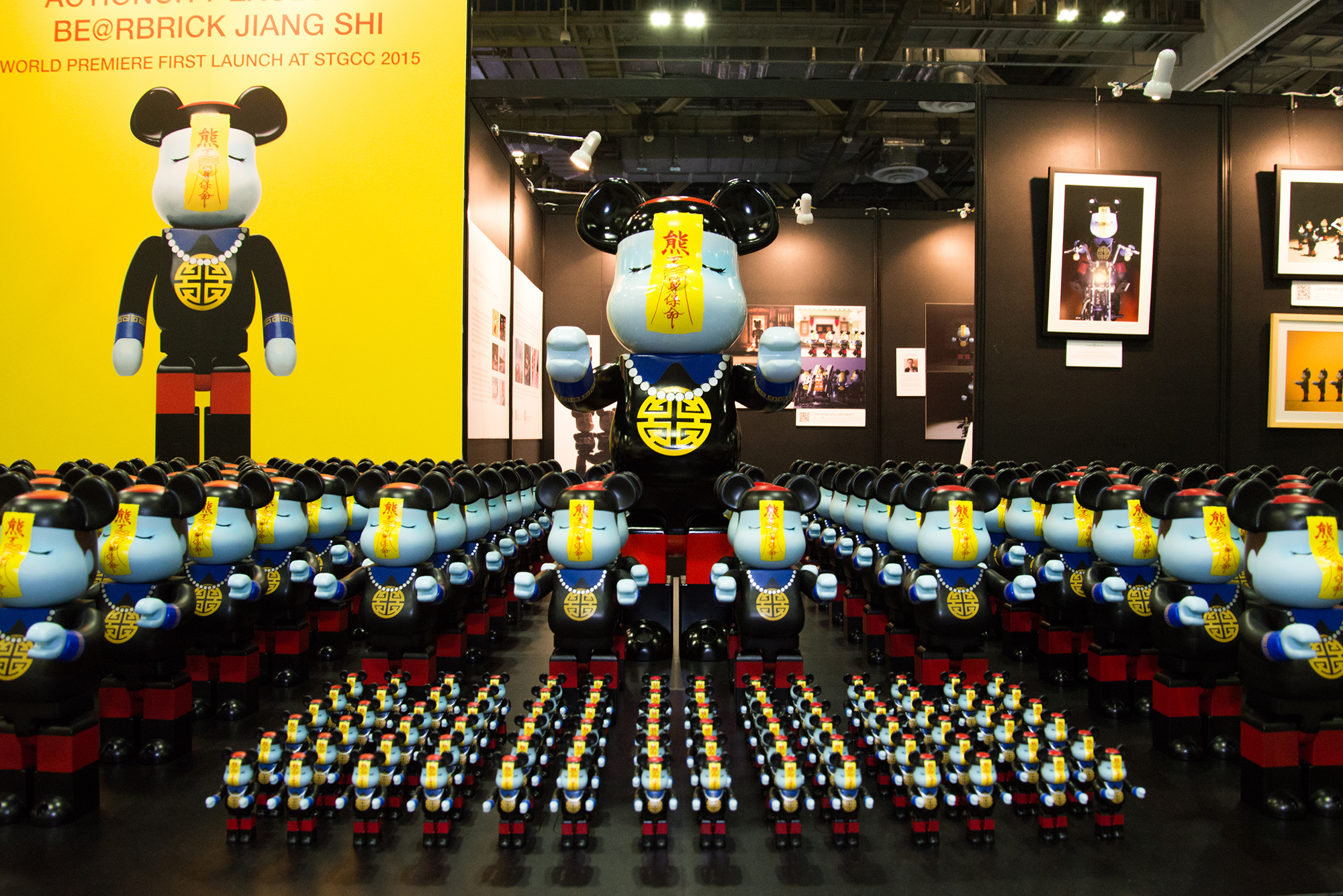
After bidding Ms Chuu farewell, I headed on to the Artist Alley, where artists of all kinds were selling wares such as artbooks and scale models. There were also shops selling leather props and accessories, cat-themed headgear and anime-style badges.
PHOTOS: NG KAI YUAN
Down the next aisle was a booth featuring a large white partitioning curtain instead of artworks and figurines being showcased at its neighbouring booths.
Booth owner Mr Chong Wei Loon, 37, explained that the “curtain” was in fact a scanning booth with hundreds of cameras built into it. His company, Build It Full, offered 3D printed figurines of convention attendees; the cameras captured images of a person from all angles which were then edited and converted for 3D printing. The printing and editing requires a full day to complete.
Laid out on the table in front of him were a number of figurines, some coloured and some in monochrome white. They were impressively intricate, managing to capture the lifelikeness of cosplayers, as well as the details of the costumes donned.
Many cosplayers make figurines of themselves, possibly because they serve as physical reminders of the characters they dressed up as, instead of just a photograph captured on camera or in a Facebook album.
Being such a specialised product, I was not surprised to find out that the price of printing such a figurine can go into the hundreds. In Mr Chong’s words, the figurines were very much a “premium” product, and I agree with this sentiment.
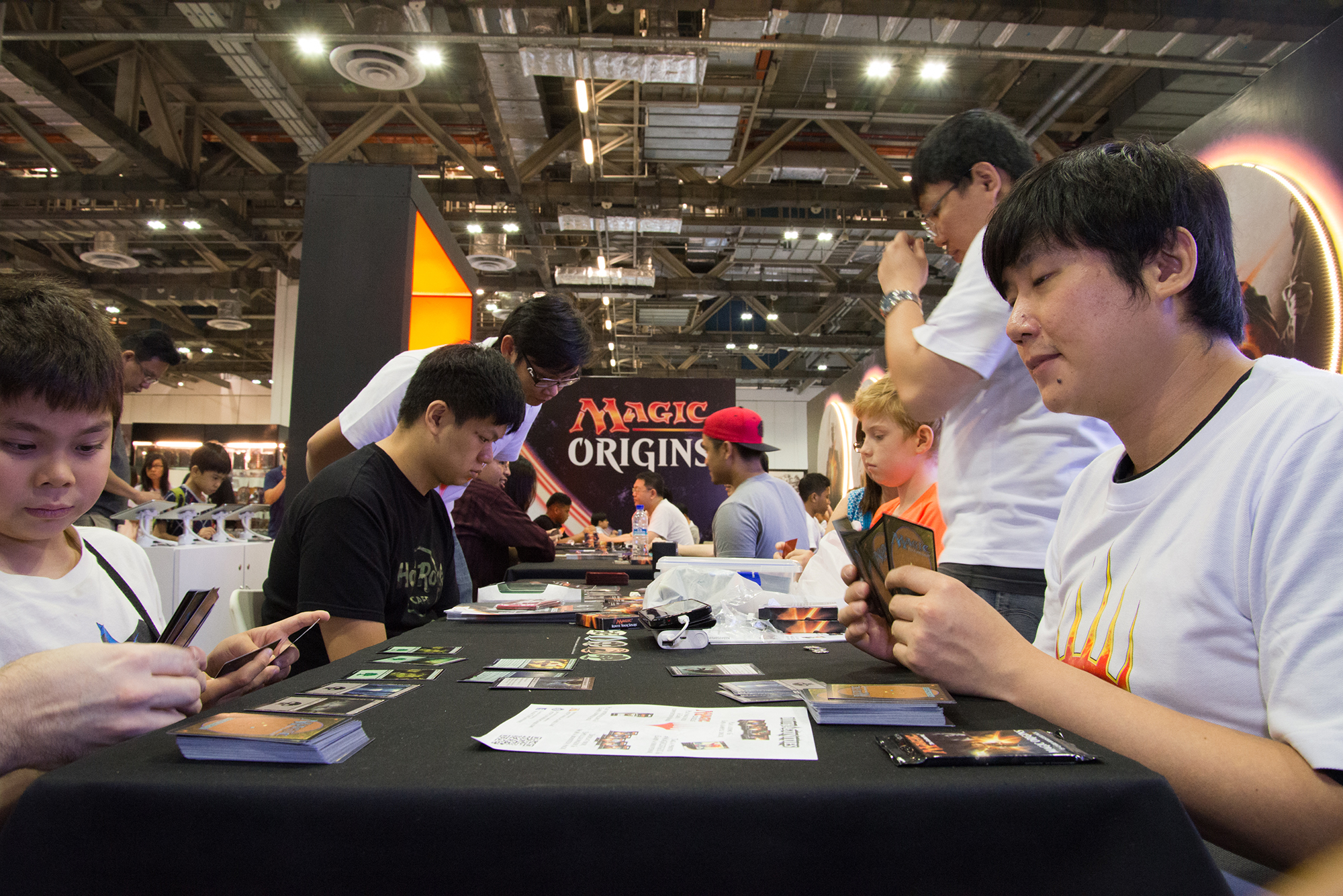
Outside the Artist Alley, there was a large area set aside with many tables and chairs. I initially thought it was a resting area for convention-goers to take a break from walking around. However, it was actually a duelling arena for Magic Origins, a card duelling game.
Curious as to what it was about, I sat down with a staff member from the game’s developing company Wizards of the Coast to try it out.
PHOTOS: NG KAI YUAN
Card duelling games are simple in nature — players collect cards to form and expand their own deck by trading with each other. Each playing card has a different effect. For example, a particular card might give the player a boost in attacking his opponent, or it could “heal” the player by recovering a certain number of life points.
In Magic Origin, players aim to reduce their opponent’s life points from twenty to zero. The playing cards cast spells or summon creatures, in line with the game’s fantasy genre.
While the concept is simple, card duelling is a mentally stimulating game. It being my first time playing, I had some trouble thinking of and formulating plans to overcome the obstacles posed by my opponents. But it was strangely addictive. The more I played, the more I wanted to try out new combinations of playing.
Mr Teoh Tse Liang, 27, associate brand manager of Wizards of the Coast, pointed out that the special element of card duels is the uniqueness of each game played. “No two games are ever the same, even if the same players duel each other,” he said.
The many different ways of playing a single card coupled with the opponent’s options of countering, ensure that every game entirely new and dynamic, even with the same players.
PHOTOS: NG KAI YUAN
Conventions like STGCC might be known for their illustrious guests and events, but as a first-time attendee, I discovered that each convention-goer, whether a cosplayer or an artist, has a part in contributing to the atmosphere of the convention. While STGCC 2015 might be over, I sure am looking forward to next year’s instalment.


