


Previous Story
Recognising my Chinese privilege
Posted On 17 Mar 2016
Comment: Off
In light of the proposed amendments to ensure a racially diverse Elected Presidency, we asked two undergraduates to reflect on the move. (See Part 1 here)
By Ng Yi Shu
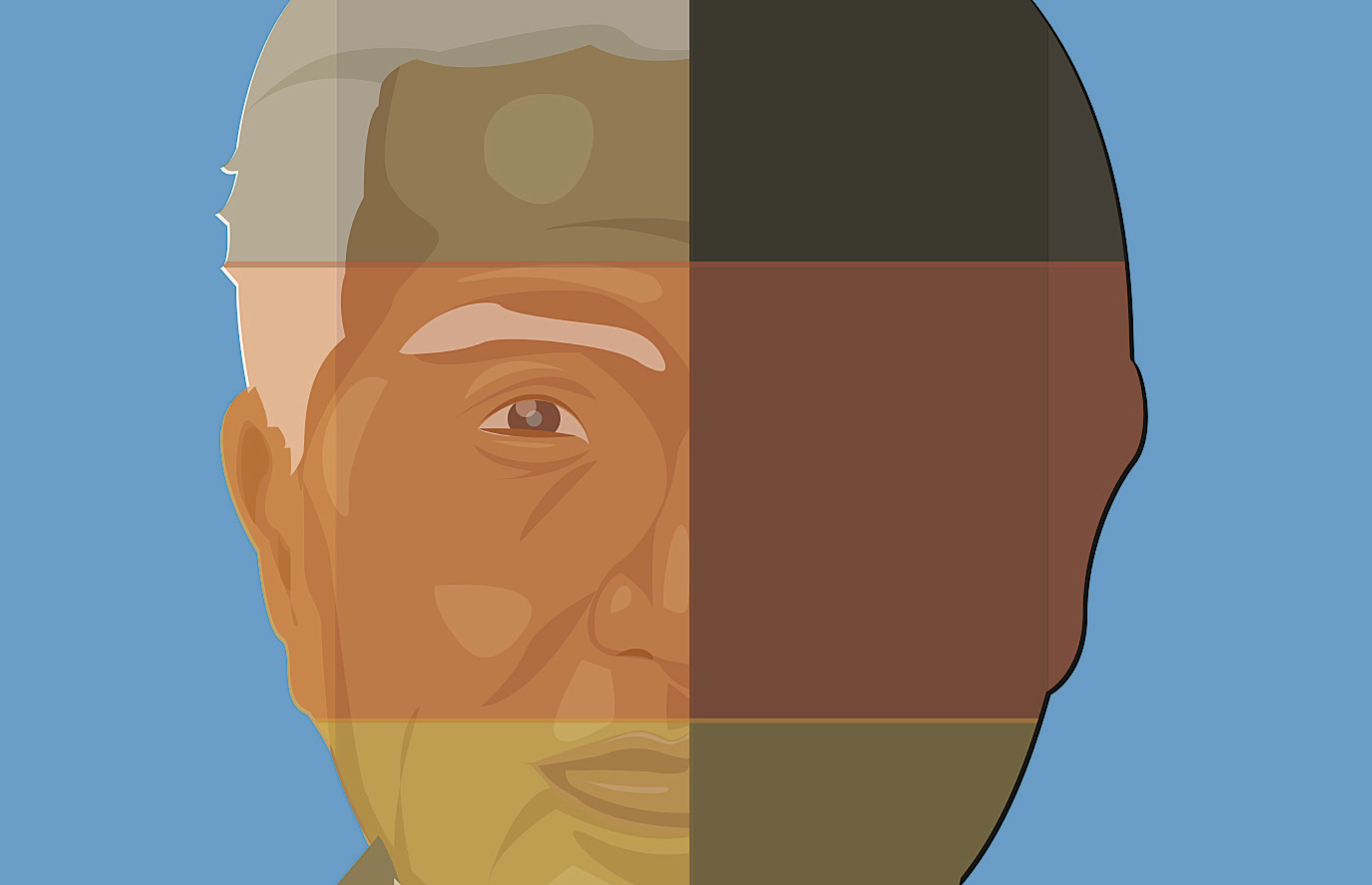
GRAPHIC: LOW ZHANG QUAN
I don’t usually think about how I am Chinese.
I am comfortable in my identity, for nobody questions it.
I can turn on the TV and see a national leader who is of my race talking about minority candidates and the importance of represen- tation in our political system and agree, because I know that society will stay the same afterward.
It has been nearly 20 years since ethnic diversity was enforced in our legislature, and I am pretty much indifferent to it, especially as a beneficiary of its injustices.
Therefore it is very tempting to believe that affirmative action in the Presidency — an idea that was recently mooted in Parliament — is not necessary.
According to a 2007 report, more than 90% of Singaporeans were ready for a non-Chinese PM. Mi- nority MPs have been elected in single member constituencies.
But it would be idealistic to assume that Singaporeans can see beyond race in a national election, the same way it is ignorant to as- sume that Singapore does not need affirmative action.
To be President, one must satisfy a long list of qualifications — including holding a position senior enough for the day-to-day duties of the Presidency, like being the Chairman of a company worth at least $100 million.
Not many have been presidential candidates. Ong Teng Cheong, our first popularly elected President, went against Chua Kim Yeow, the former Accountant-General. S. R. Nathan went uncontested, and fol- lowing his presidency, four Tans — Tony Tan Keng Yam, Tan Cheng Bock, Tan Kin Lian and Tan Jee Say — battled for the presidency.
Not many minorities would qualify either. The data is unclear on the percentage of minorities who qualify as presidential candidates, but a 2014 NUS study on diversity in Singapore’s boardrooms states that only 2.5 per cent of CEOs of SGX-listed companies are Malay, while only 1.3 per cent of CEOs are Indian; 3.3 per cent of chairpersons were Malay, while 2.6 per cent of chairpersons were Indian.
If boardrooms — part of the elite from which Singapore draws her presidents — are so difficult to get into for a minority, what does this say about the Presidency? This is where our racial lines, long buried under years of ‘racial harmony’ and ‘multiculturalism’, are most visible.
Based on these, it is difficult for me, a Chinese, to disagree with affirmative action. It should be enforced, not because the minority groups in Singapore cannot fill the office, but because the opportunity to do so has been so limited.
Affirmative action should happen, and it should happen beyond the Presidency. If we level this playing field and not the others, we will not truly resolve this issue.
The President is an icon. Much like the Prime Minister, he is a head of state, and an important figure. A minority President will continue to represent Singaporean society and a common Singaporean identity, and will go on to show all Singaporeans that anything is possible in our society.
The struggles towards a race-blind society is a necessary part of forging a common identity from our separate parts.
If we truly pride ourselves on the progress we have made to build a democratic society, we should vote for someone regardless of race, language and religion.


