


Previous Story
Augmented Reality games: The next level
Posted On 07 Sep 2016
Comment: Off
By Jasmine Koh
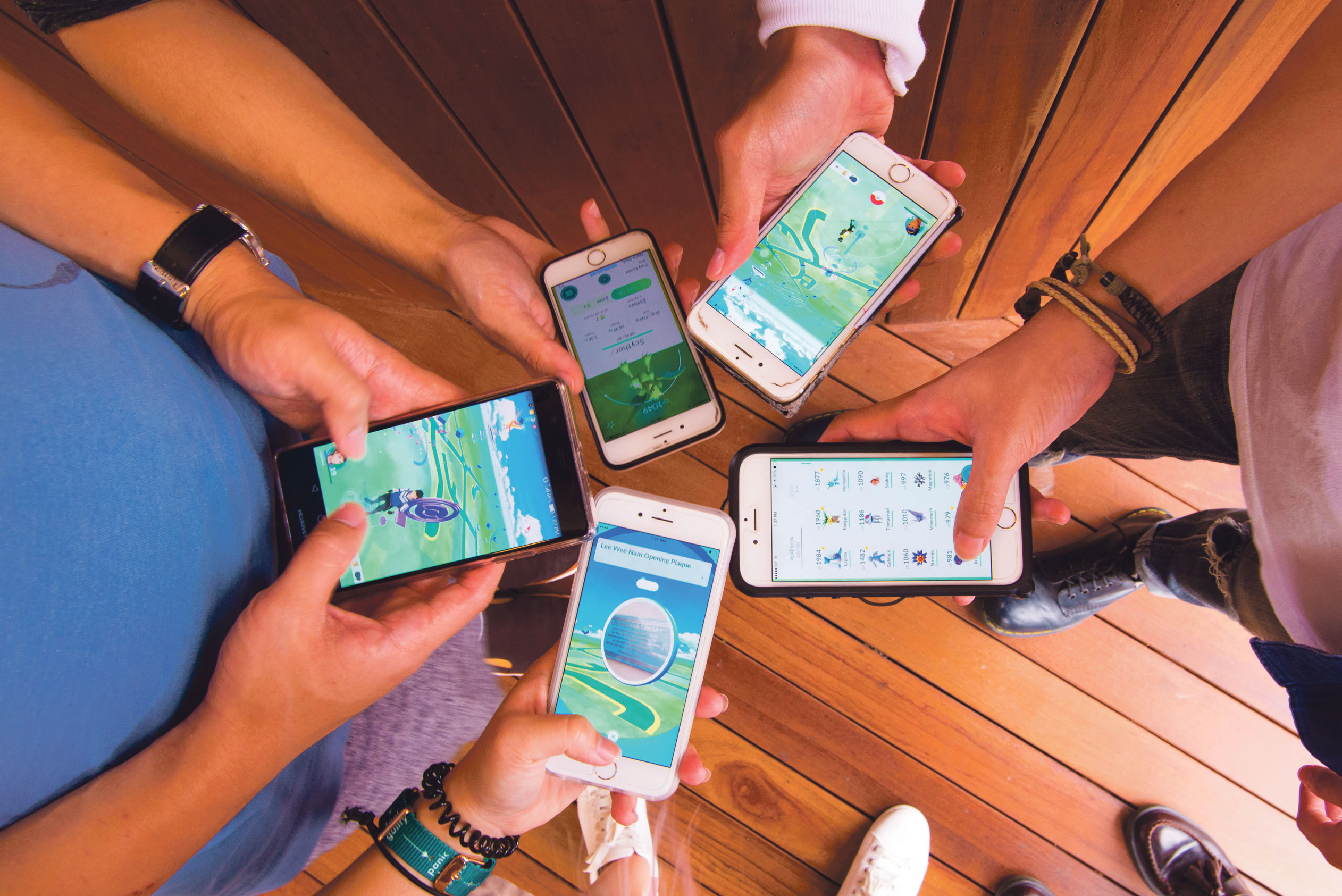
With Pokemon Go taking most of the world, including Singapore, by storm, it seems that the future of Augmented Reality (AR) media is a bright one.
Although AR media is not new in the scene, experts say the hype surrounding the game has brought a fresh wave of interest in this form of entertainment.
AR is the use of technology to overlay digital information on the reality that we see.
Previously, games and devices, such as Minecraft and Google Glass, were introduced to the market — to mixed success.
The Pokemon Go game features a virtual view of the real-world environment using the Global Positioning System (GPS).
Players navigate their surroundings to catch Pokemon, as well as fight against opposing teams in PokeGyms, which are tied to a certain location, to take over them.
Pokemon Mania
In today’s context, it is no surprise that AR games such as Pokemon Go are popular, said Associate Professor Dion Goh, a researcher in the gamification and serious games industry from the Wee Kim Wee School of Communication and Information (WKWSCI).
According to Dr Goh, there are several reasons why many people are attracted to these games.
Player interaction during gameplay is a key contributor to quick uptake among users.
This means that games and devices, which allow users who share similar interests to meet up both virtually and physically, have increased popularity.
AR games are usually designed for players seeking all forms of entertainment, ranging from casual to serious gaming, with
Pokemon Go “challenging enough for fierce competition, and easy enough for beginners,” said Dr Goh.
This has resulted in the game creating “greater fun and purpose,” Dr Goh added.
Smartphone-savvy nation
In a digital and individualistic age like today, using handheld devices for social bonding is familiar to many, said Associate Professor Jung Younbo, an expert in the interactive media industry who is also from WKWSCI.
According to a 2015 survey conducted by Deloitte, Singapore ranks the highest in the world for smartphone penetration.
This is a possible indication of the potential that AR media can have here.
In the past few years, technological improvements also have been astounding — this includes voice and gesture control, virtual reality and cloud gaming, among others.
Nonetheless, safety guidelines for using AR media have to be adhered to, said Dr Jung.
Gamers should be responsible for the gameplay and devices that they use, ensuring they do not harm themselves or others in the process.
Dr Goh noted that the potential pitfalls of any games still apply, including addiction, violence and various forms or trouble.
“Ensuring the game does not affect one’s work or studies dramatically, and that others are not inconvenienced, are also essential practices,” he noted.
More on the horizon
With the success of Pokemon Go, experts also noted that the development of AR media is likely to be fast-tracked.
Improved designs and enhanced functions of wearable devices such as Google Glass, digital learning, as well as more engaging entertainment are plausible prospects of AR media that we can look forward to.
If technology allows, the ideal experience would be to visualise reality through a virtual lens, said Dr Jung.
Dr Goh added: “But regardless of what form of new games will be invented, the future of AR-related media will continue to be an eye-opener for all.”