


Previous Story
Basking in Iranian Warmth
Posted On 05 Nov 2016
Comment: Off
Text By Nicholas Tan, Chief Editor
Photos by Aqil Haziq Mahmud, Louisa Tang, Matthew Mohan, Nicholas Tan and Samuel He
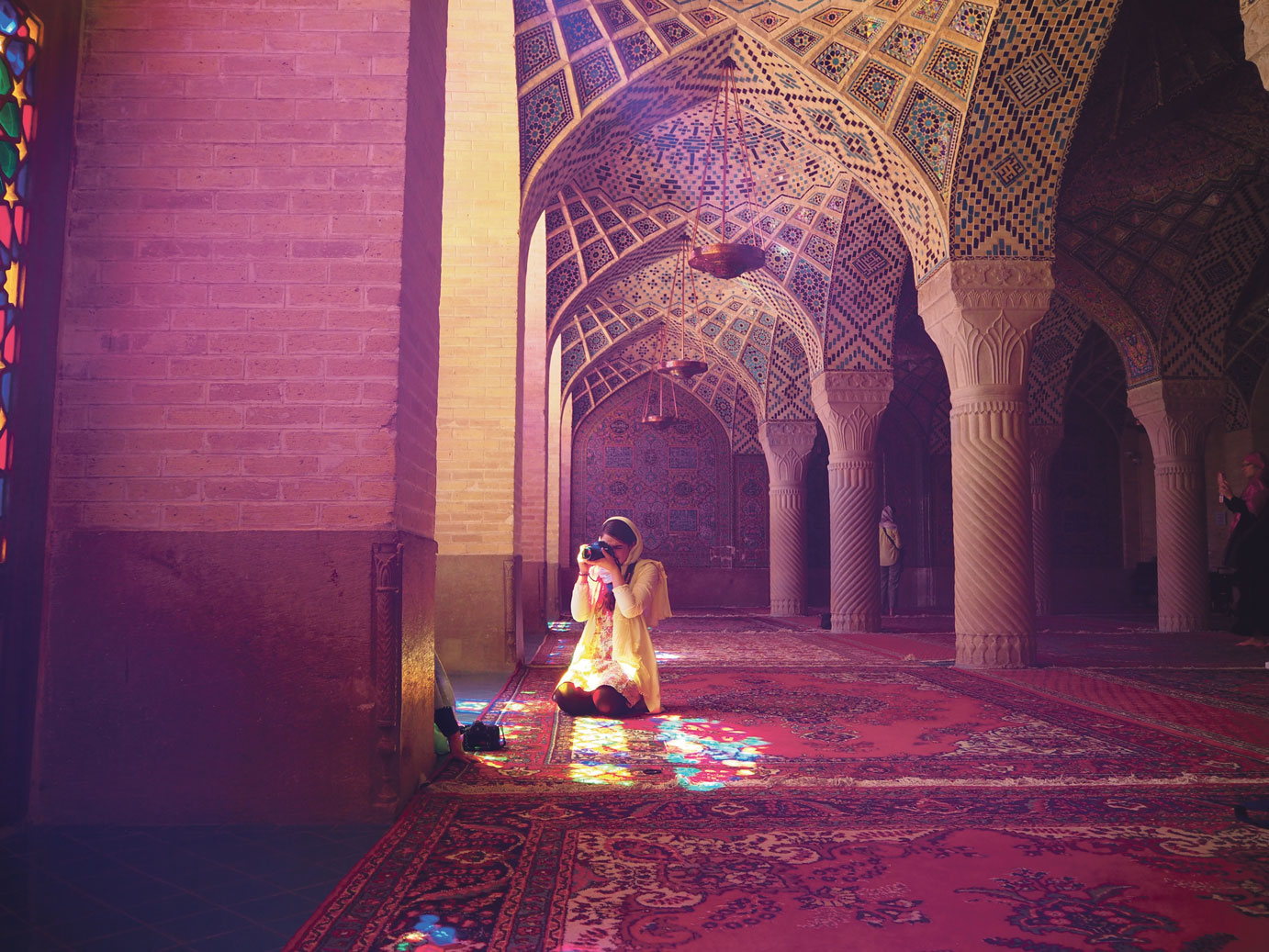
COLOURFUL KALEIDOSCOPE: The Nasir ol Molk in Shiraz is predominantly pink – like the roses that thrive in the region. PHOTO: LOUISA TANG
I’ll be the first to admit that I knew next to nothing about Iran. Prior to doing research for this trip, my knowledge of the pariah state only extended to Nicholas Brody’s public execution in its capital, Tehran, in the hit American TV series Homeland.
The two imposing portraits of Iran’s past and present Supreme Leaders seemed to glare at me as I dragged my luggage through Imam Khomeini International Airport’s arrival gate. Filled with equal parts excitement and trepidation, I was certain these two faces were the ones I was going to remember this trip by.
As it turned out, what stuck with me were not the grim faces of two men clad in turbans, but the genuine smiles and warm handshakes of everyday Iranians.
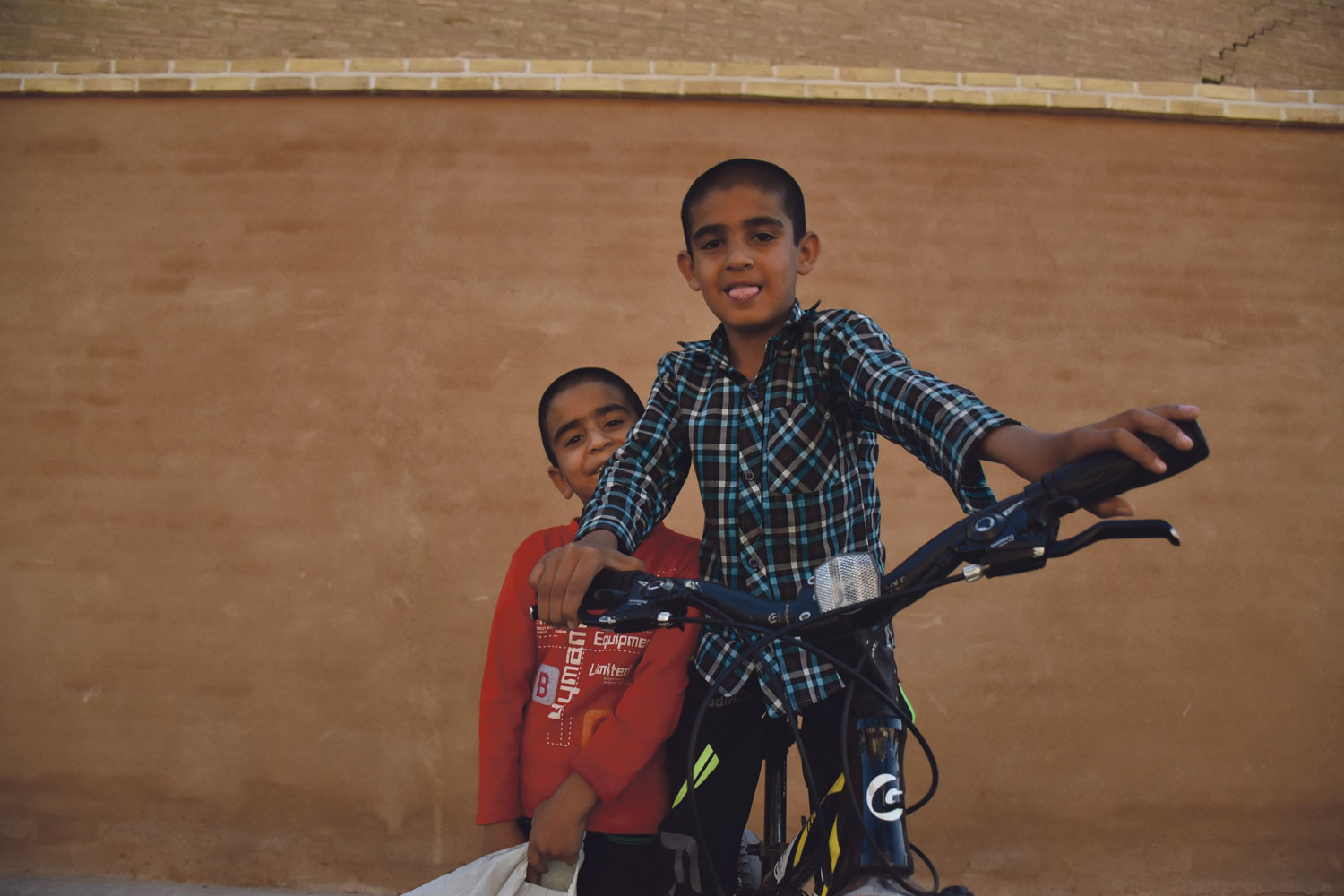
YOUTHFUL SPIRIT: Two boys indulge in some fun outside the Jame Mosque in Yazd. Iran’s youth makes up the majority of its people, with two-thirds of the population under 35.
My Iranian experience kicked off at a live football match — albeit a second division one, between Baadraan Tehran and Naft Masjed Soleyman Football Club at the Rah Ahan Stadium.
Raucous home fans invited me to join in their chants of “hamleh”, which means “attack” in their official language, Farsi. Such was the ferocity of their support that I feared being beaten up as I waddled my way to a more central seat.
By a stroke of luck, I met Farshid, 26, who manages Baadraan Tehran. He gestured me first to pitchside to watch the players up close, then up to the VIP box, where an attendant served me fresh fruits and Iranian snacks. Needless to say, I was taken aback by their kindness.
Meeting foreigners
I was never quite the talkative person, but conversations with Iranians might have changed that. An incessantly coughing, water-swigging taxi driver, probably in his 60s, got all excited when I introduced myself as Singaporean.
“I enjoyed Singapore. Are you all still vegetarian?” he asked, swiftly recalling a trip to our city-state 37 years ago. Last I checked, my parents have devoured meat their entire lives — but that sparked an intriguing chat about the difference between our countries.
Perhaps the 37 years of isolation from the outside world, as a result of the economic sanctions that have inhibited the country, has brought about a sense of wonder and excitement when the Iranians meet foreigners.
And his driving skill was superb, I thought. Then again, the same could be said of his fellow drivers, who have to manoeuvre through Tehran’s notorious peak hour traffic jams on a daily basis.
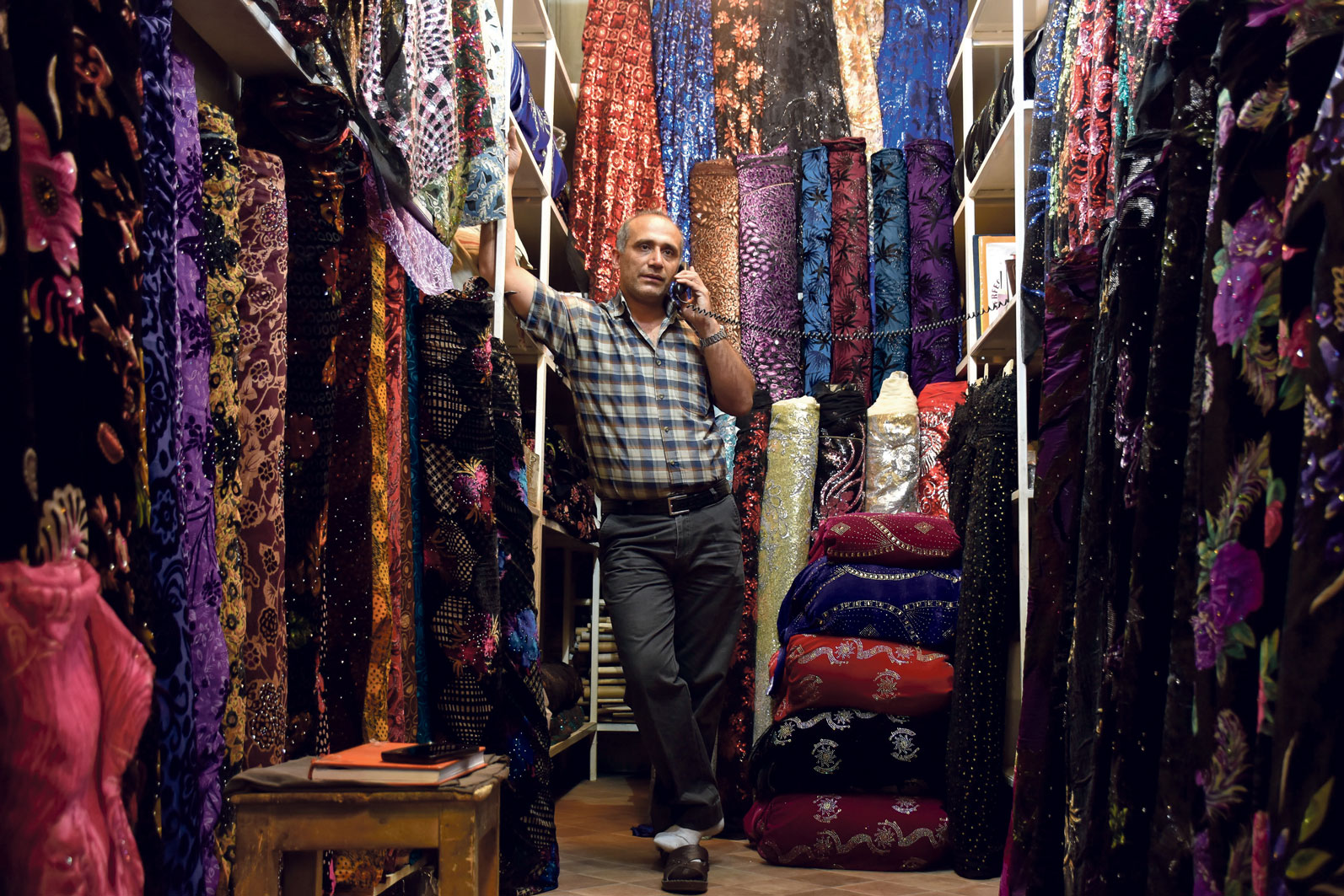
FLAWLESS FABRICS: A shopkeeper selling woven textiles poses for a photo at Shiraz’s Vakil Bazaar.
The Tehran Metro was also a sight to behold. Eager salesmen (and sometimes young sales girls) squeeze through the congested carriages peddling Snakes and Ladders boards, luminous wristbands, and long socks — almost like a roving pasar malam.
One afternoon, I was checking the metro map, confirming the number of stops to my next destination when a smartly dressed businessman tapped on my shoulder and asked if I needed help.
Before I could decline the offer, the affable stranger dragged me to the ticket office, where he bought me a two-trip ticket, refusing to accept the mini stack of Iranian currency in my hand as payment.
It didn’t stop there. He then graciously tore out a piece of paper from his planner and wrote down my stop in Farsi, in case I got lost. I failed to mention that I knew the way all along.
Getting stranded
Iran, of course, is not all Tehran. After spending the first four days in the capital, we were en route to Isfahan, Iran’s third largest city, when our coach tyre punctured. But this did not dampen our spirits, for it afforded us a glimpse of the vast Persian landscape.
Imposing mountains in the backdrop, and not a trace of green anywhere – it was a strangely beautiful feeling to be stranded in the middle of barren land.
Back at the bus, the driver, not speaking a word of English, worked tirelessly to replace the tyre, even sustaining a deep gash on his forehead in the process. Yet he persevered without a hint of pain on his face; just steely-eyed determination to get our journey back on track.
That resolute front melted into a grateful smile and thumbs-up when one of us offered to stem the bleeding with a wet tissue under the unrelenting sun.
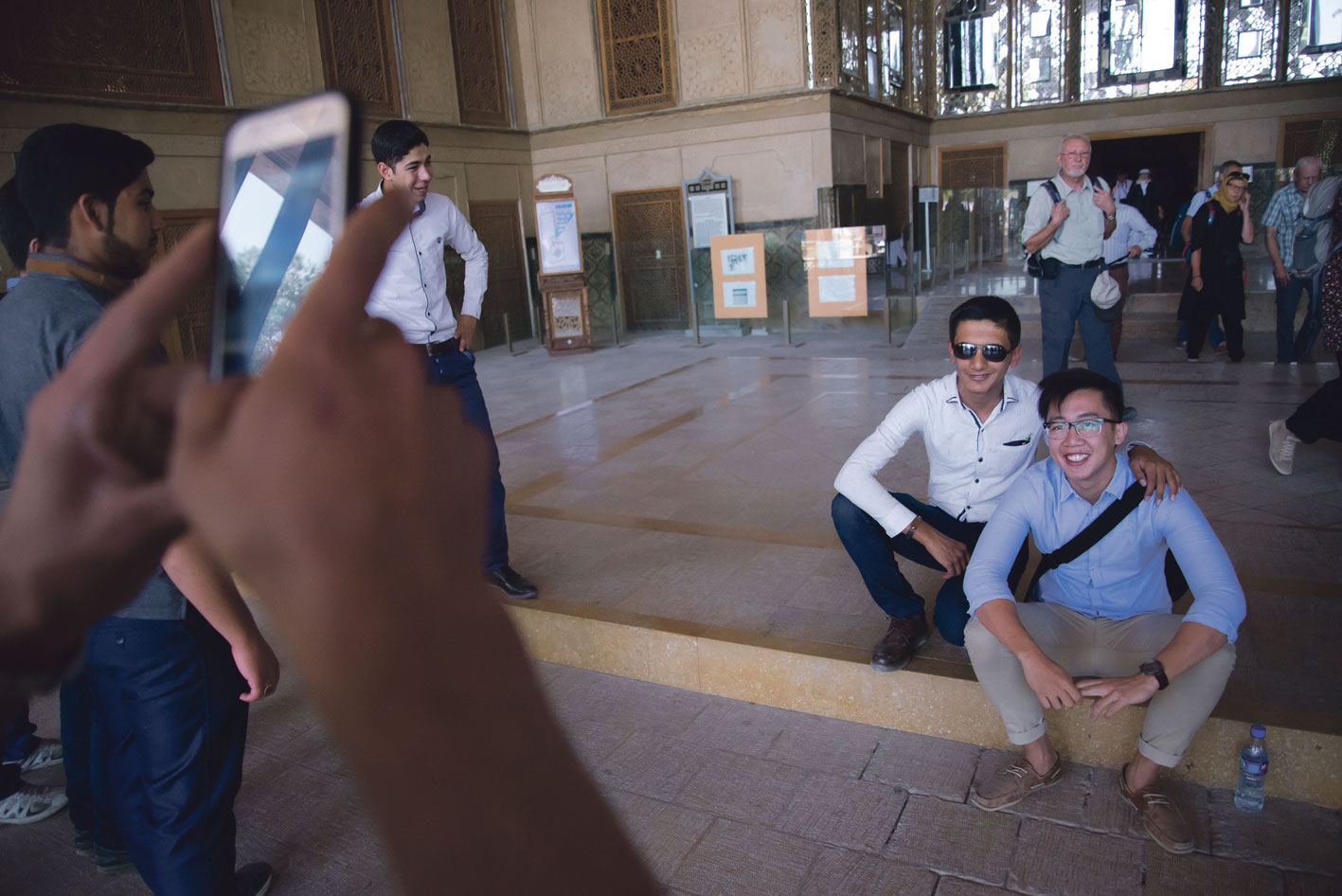
TOURIST CHARM: Several Iranian men requested to take pictures with me while I was taking a break in Isfahan’s Chehel Sotoun pavilion.
My encounters with locals continued as we traversed through the different cities. Groups of Iranian young men asked to take pictures with me at the sprawling Naqsh-e Jahan Square in Isfahan. I must have looked the most archetypally Chinese out of our group.
The attention was surprising, even a little unnerving. Eyes were also on us when we explored a makeshift bookshop later that night. With banners of “Down with USA” draped above us, I felt uneasy, but that wore off quickly when a bespectacled attendant chuckled at our fascination over old military equipment, which were also on sale.
It was a pity that we spent less than a full day in Isfahan. Home to hand-woven rugs and an unattractive but delicious goat’s lung briyani, it is viewed as “half the world” by Iranians, a testament to how this 1,500-year-old former capital is a revered gem.
After stuffing ourselves silly with succulent kababs (skewered meats) and acidic fesenjan (a stew flavoured with pomegranate and walnuts) over the past few days, our leisurely trek up the Zoroastrian Towers of Silence outside the desert city of Yazd was the perfect tonic.
Street celebrations
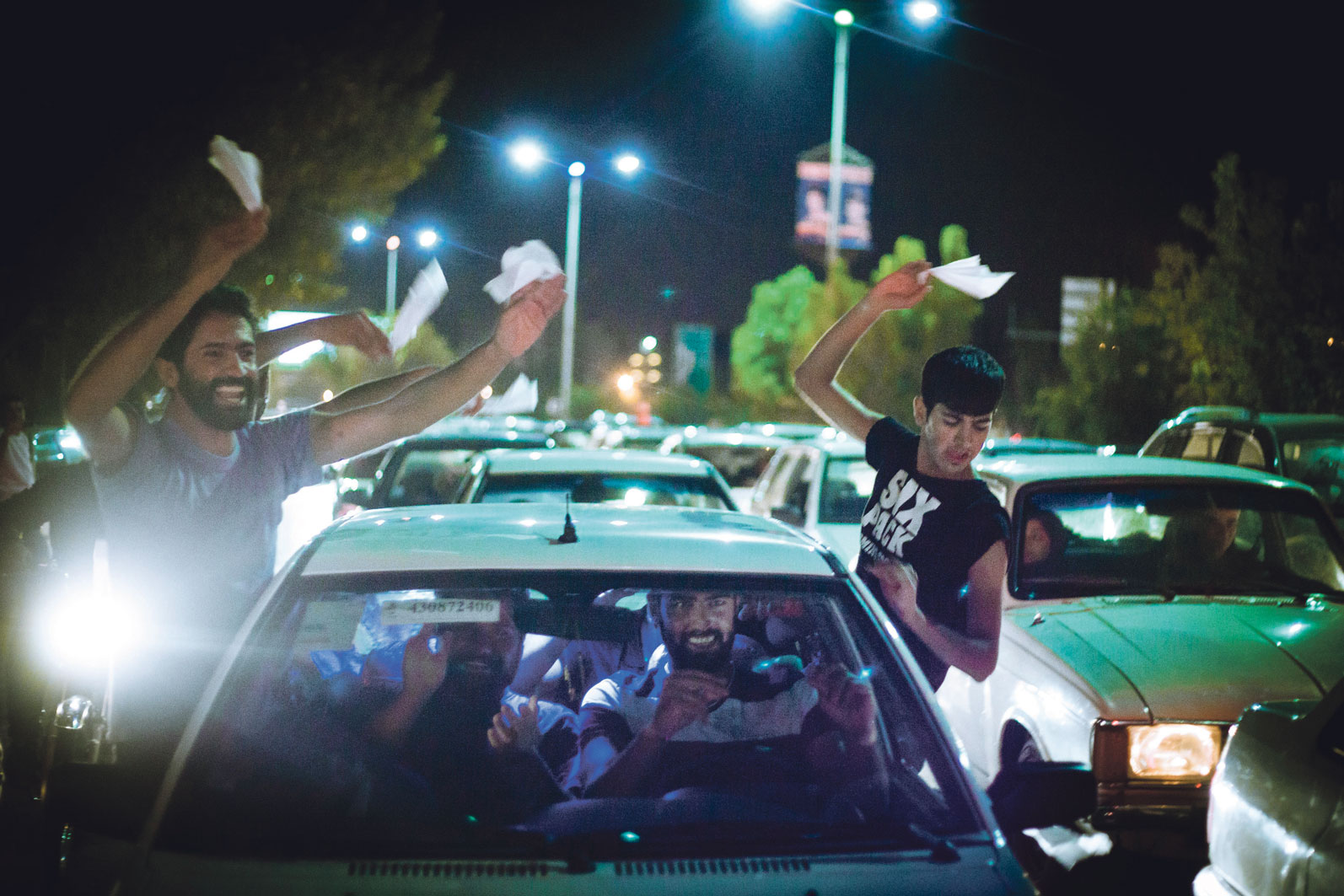
FOOTBALL FRENZY: Fans of Qashqai FC hang out of car windows waving tissue paper as they celebrate a shock win over Persepolis FC out on Shiraz’s Chamran Boulevard.
A quick stop by Persepolis, the palace complex of the long-gone Achaemenid Empire, was like a slow walk back in time. Formidable pillars and walls decorate the Unesco World Heritage Site, which dates back 2,500 years when Iran was formerly known as Persia.
Our shy yet unwaveringly patient guide Suzan, 33, told us that Shiraz, our final destination, is a lively city. When we arrived in the evening, Tehran-esque heavy traffic made its reappearance on the Chamran Boulevard.
Except this time, instead of polluted air filling our lungs, a football bonanza awaited. Fans of Shiraz-based Qashqai FC, who had just stunned national powerhouse Persepolis FC in Iran’s Hazfi Cup, were out in full celebratory mode.
Donning jester hats with the team’s colours, men sat on their car window frames, blaring horns and taking selfies. Some even attached team scarves to windshield wipers for hilarious effect.
Women, barred from men’s games in Iran because of religious rules, waved tissue paper, while children banged on drums — this cacophony echoed along the highway tunnels. An Iranian journalist told me that Iranians live and breathe football; if only we showed the same passion back home, I thought.
While exuberant fans, hookah puffers and parkour enthusiasts enliven the cooling night, the warm day was a different kind of beautiful in Iran’s city of poets, wine and flowers. Vibrant green trees and bushes blanketed the streets — a stark contrast to the dusty brown of Tehran.
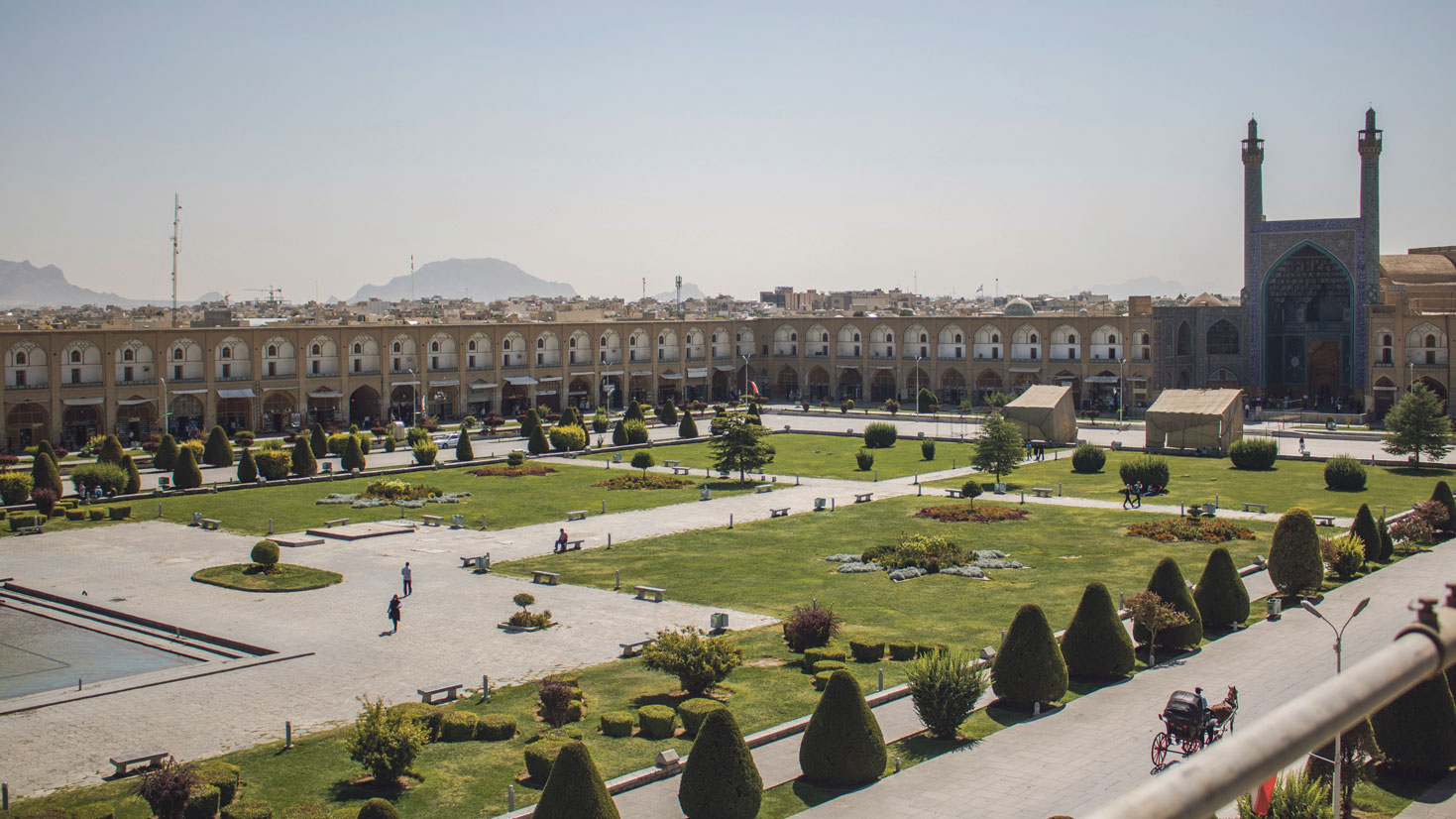
GRAND SQUARE: The Naqsh-e Jahan Square, also known as Imam Square, in Isfahan is larger than Moscow’s Red Square, and is a Unesco-listed World Heritage Site.
As with other cities, the architecture in Shiraz also has its distinct personality. Departing from the reflective blue that adorned Isfahan’s mosques, Shiraz’s Nasir ol Molk, known as the Pink Mosque, was a kaleidoscope of colourful splendor with its stained-glass windows.
The same could be said of the Vakil Bazaar: a vibrant cornucopia of spices, handicrafts and clothing. A saunter through its maze-like compound yielded purchases of Gaz, a Persian nougat and the souvenir of choice for most of us, as well as a sachet of golden-orange saffron strands, my trophy for the day.
Having watched many culinary videos that featured saffron, I eagerly paid 250,000 rials (S$11) for 4 grams of this dainty spice – an absolute steal compared to the S$11 per gram you would have to fork out at Mustafa Centre.
Internet censorship
Lost on the outskirts of Shiraz on my final night, I met Parisa, 19, who offered to help bring me to my destination. With her hijab barely concealing her cropped bangs and deep red lips, we bonded over a common passion for squash, and she bemoaned the stagnation of the sport in Iran.
We then networked through Instagram. Social media, as I have learnt during this trip, is a powerful medium in Iran, where people utilise virtual private networks to bypass heavy Internet censorship by the government.
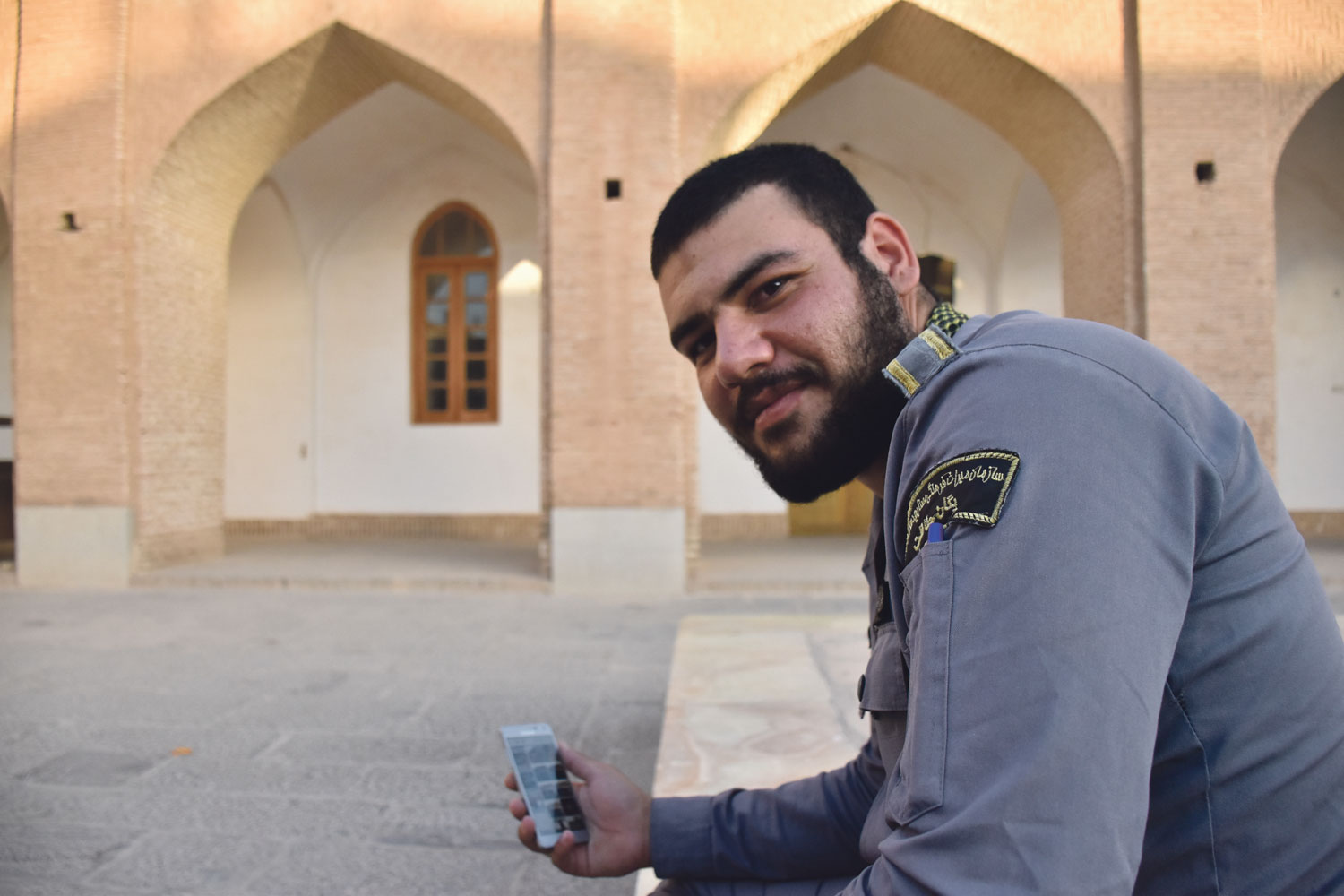
A few days after I returned to Singapore, Salman, a translator who assisted me in Tehran, asked me on Telegram what I liked most about Iran. My answer to his question was immediate: the people.
“I am so happy that you enjoyed your travel and this experience changed the misconception about Iran for you and your classmates,” the rice-loving, cigarette-smoking Salman, 26, replied.
I get this overwhelming sense that Salman, along with all the others I have had the fortune to meet, really cares about what foreigners think of Iran. And who can blame them, given the largely negative portrayal of their beloved country in Western media.
Yet with the inhibiting sanctions lifted in January, perhaps the shackles are now off for the world to see the Iranians for who they truly are — brimming with spontaneous hospitality, altruistic charm and so much more.
See more photos:
[slideshow_deploy id=’11525′]