


Previous Story
Teochews in Town
Posted On 02 Oct 2014
Comment: Off
Immerse yourself in Singapore’s rich Teochew culture at the inaugural Teochew Festival 2014. Lifestyle Writer Feline Lim shares with us some of the event’s highlights, including the must-try foods.
By Feline Lim
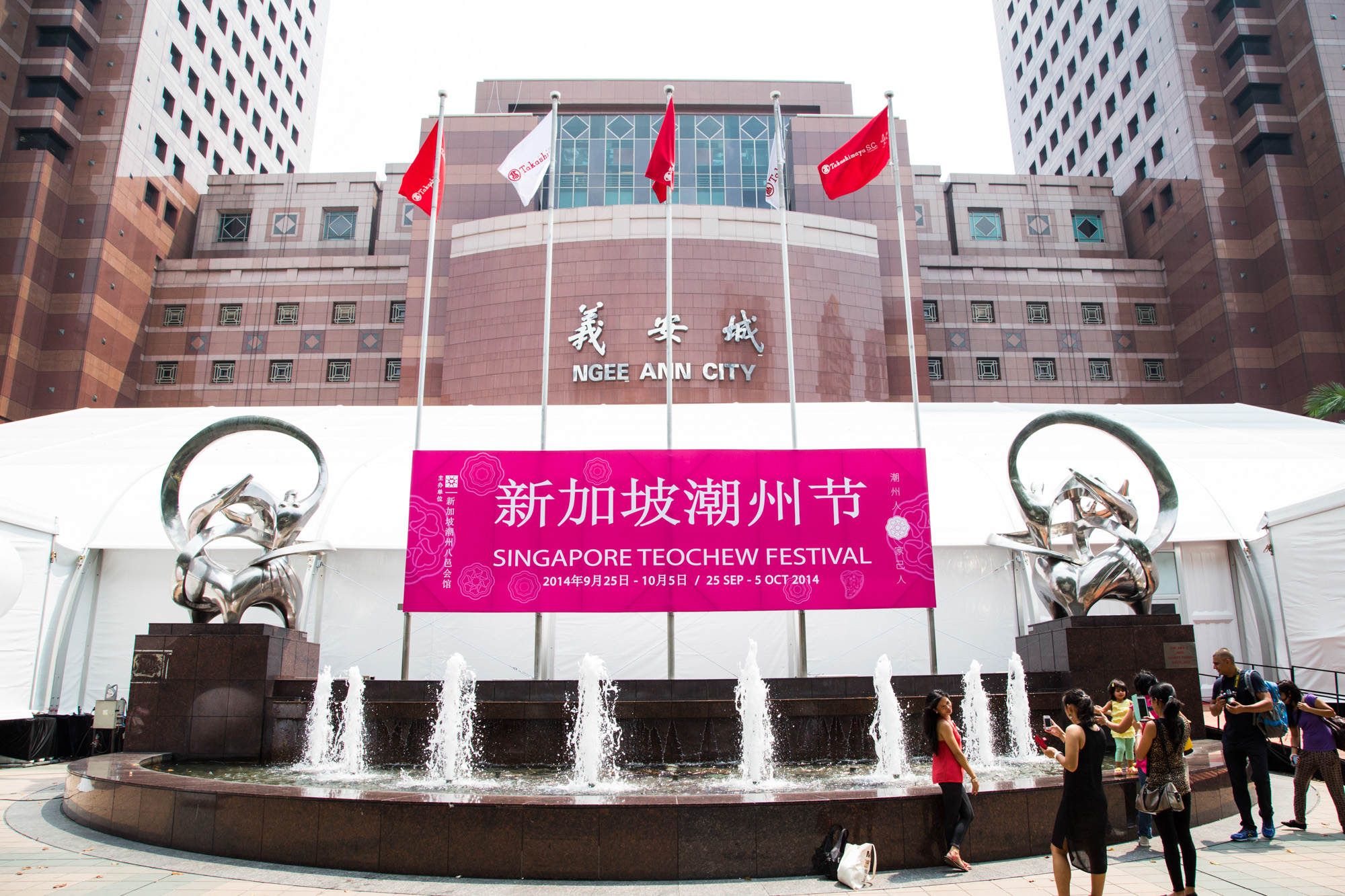
PHOTO: AUDREY KWOK
Singapore Teochew Festival 2014
Ngee Ann City Civic Plaza
Now till Oct 6
Open daily from 11am to 10pm
Tickets at $5 (at the door)
Teochews are the talk of the town this week.
Held in conjunction with the 85th anniversary of the Teochew clan association Poit Ip Huay Kuan, the Singapore Teochew Festival 2014 welcomes Singaporeans from all walks of life to immerse themselves in the culture of local Teochews. The public event aims to evoke a sense of nostalgia among older folks, and also spark interest among youths by offering an insight into the fine arts, cuisines, and history of Teochew culture.
Arts and crafts
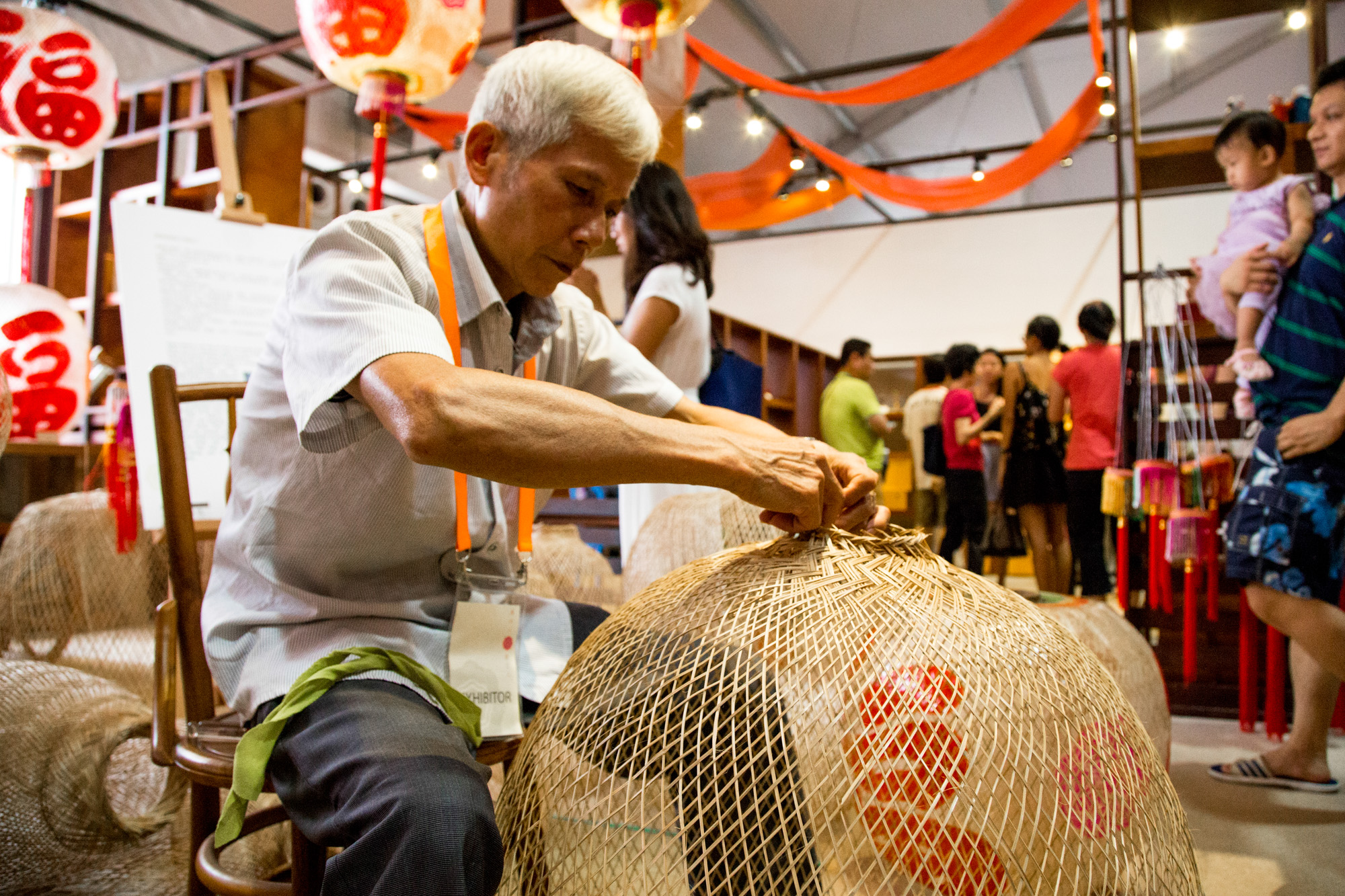
PHOTO: AUDREY KWOK
The Teochew people pride themselves for founding a unique brand of paper lanterns called Huang yuan you zhi deng long, that are characterised by intricately-woven bamboo strips. At the paper lantern booth, festival-goers can watch the making of these lanterns by a craftsman with over forty years of experience. These lanterns come in various sizes and are available for purchase. Prices range from $25 (small) to $75 (large).
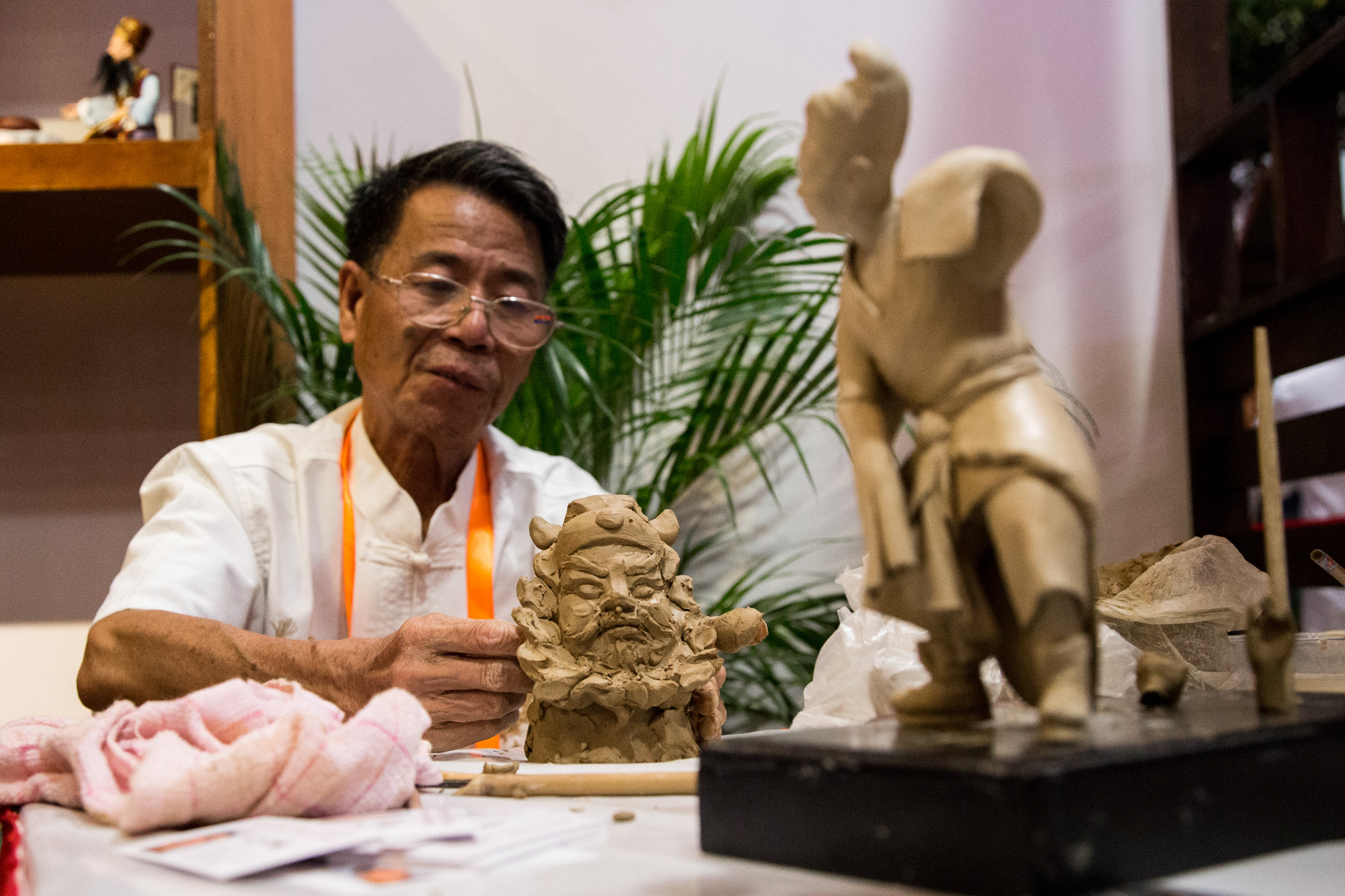
PHOTO: AUDREY KWOK
There will also be a Dawu clay sculpting demonstration. Dawu is a Teochew art form involving the shaping, sticking, imprinting and painting of various layers of pressed clay. The sculptures are usually made to resemble either characters of Teochew plays, and sometimes even opera masks.
Apart from these, there are also other arts and crafts demonstrations, including the making of exquisite Chaozhou (Teochew) embroidery pieces and traditional Chaozhou woodcarving.
Traditional food
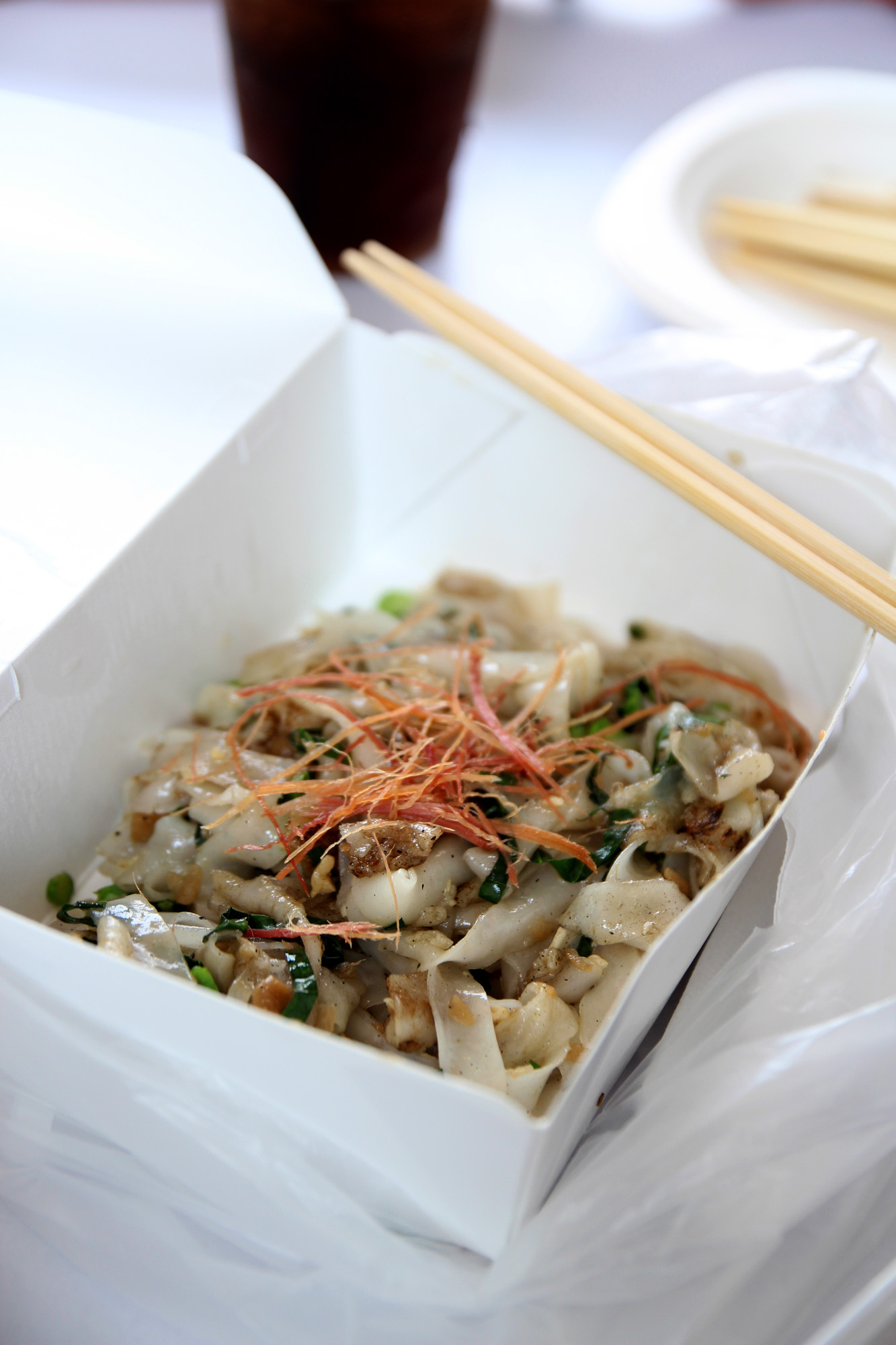
PHOTO: AUDREY KWOK
While some of the must-try snacks worth bringing home include the freshly-made gong tng (peanut candy) and preserved candied orange, one highlight of the festival’s Food Street — located in a separate section away from the main festival area — is the Teochew-style Char Kway Teow (fried flat noodles, $10 per plate). Don’t let the dish’s plain appearance fool you. Each strand of noodle is richly coated with a complexity of flavours; the fragrance of garlic, salted radish and lard comes through with every bite. Tossed with diced kailan for an extra crunch, this dish will have you coming back for more.
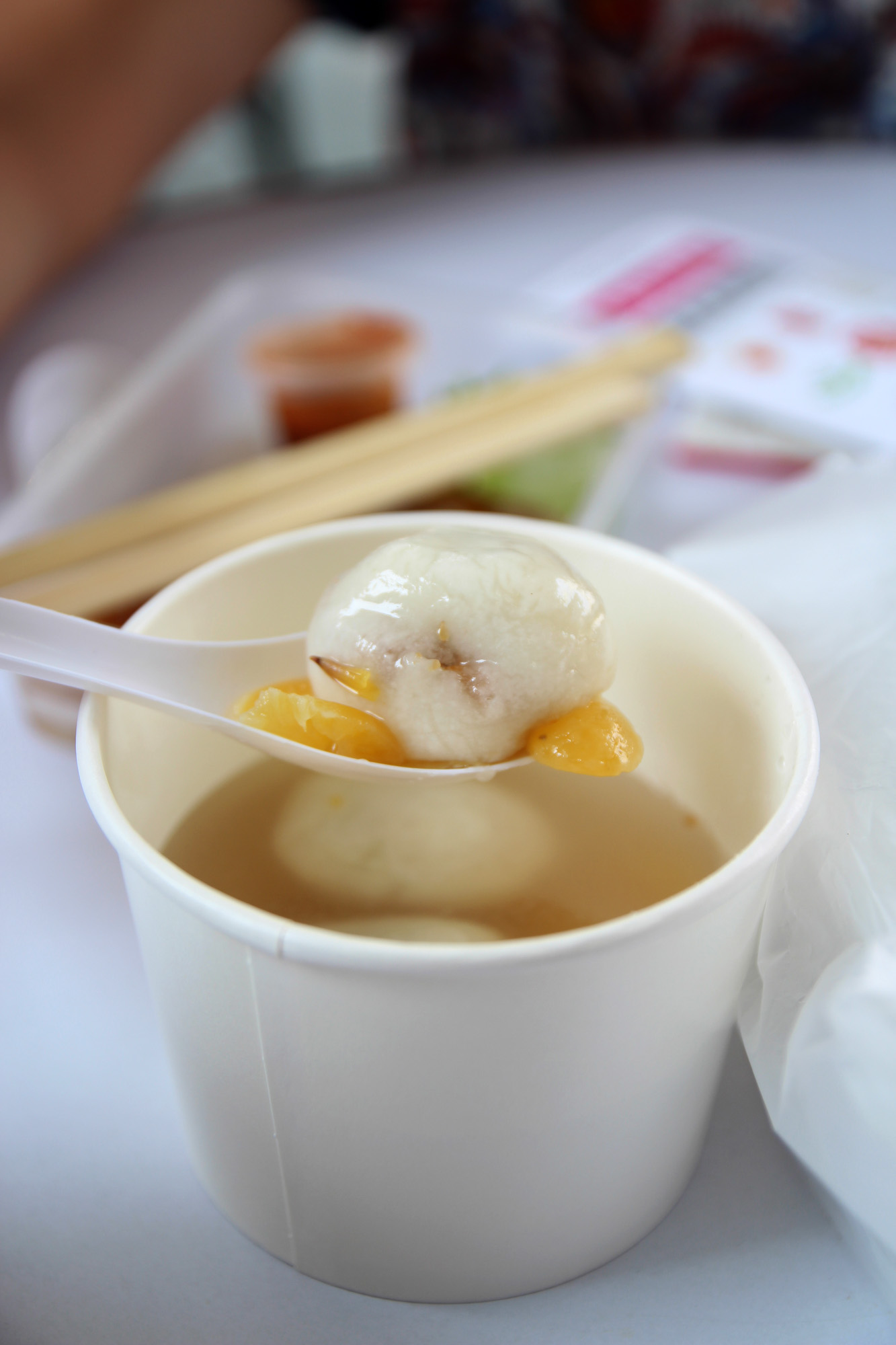
PHOTO: AUDREY KWOK
Tangyuan, also known as ah balling in the Teochew dialect, is a dessert comprising glutinous rice flour mixed with water. With their extra soft and chewy texture, the ah balling ($5 per bowl) here have a distinct handmade quality to them. Filled with peanut and black sesame paste and served in a sweet soup with sliced gingko nuts, this can be an ideal end to a hearty meal.
Culture and heritage
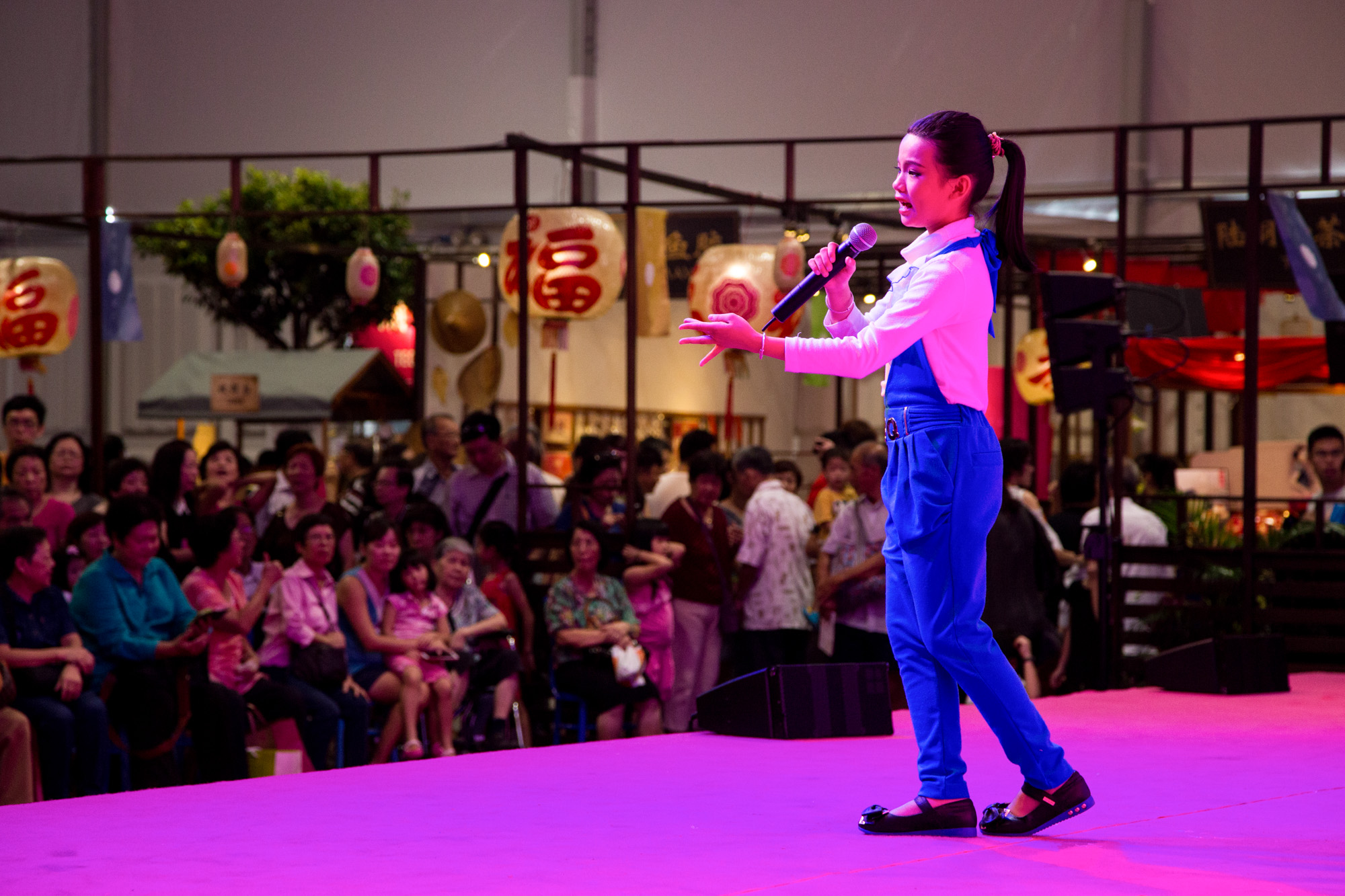
PHOTO: AUDREY KWOK
While traditional Teochew opera is a dying artform, the festival presents a series of elaborate opera performances, making it easily accessible for festival-goers. The performances involve acting and dancing, music, and sometimes, even martial arts. What makes the performances more remarkable is that some of the actors are only in their teens. Attendees can look forward to these hourly opera performances in the morning from 11.30am to 1.30pm.
To give visitors an opportunity to learn more about local Teochew history, architecture and its people, the event also has a cultural exhibition that brings festival-goers back to Singapore’s founding days. Among other things, the exhibits highlight the Teochew diaspora and their demographic distribution in various parts of Singapore. It also shares about interesting customs, such as Chuk Hue Hng (literally meaning leaving the garden), a ceremony unique to Teochew culture.
With plenty of visuals and descriptions in both English and Mandarin, the displays are easy to follow and will be a great way to find out more about the Teochew heritage.
For those interested in getting food at the Food Street, note that cash payment is not accepted, and coupons (in denominations of $5) are available for purchase inside the festival venue.


