


Previous Story
One more episode won’t hurt
Posted On 16 Oct 2017
Comment: Off
By Adeena Nagib
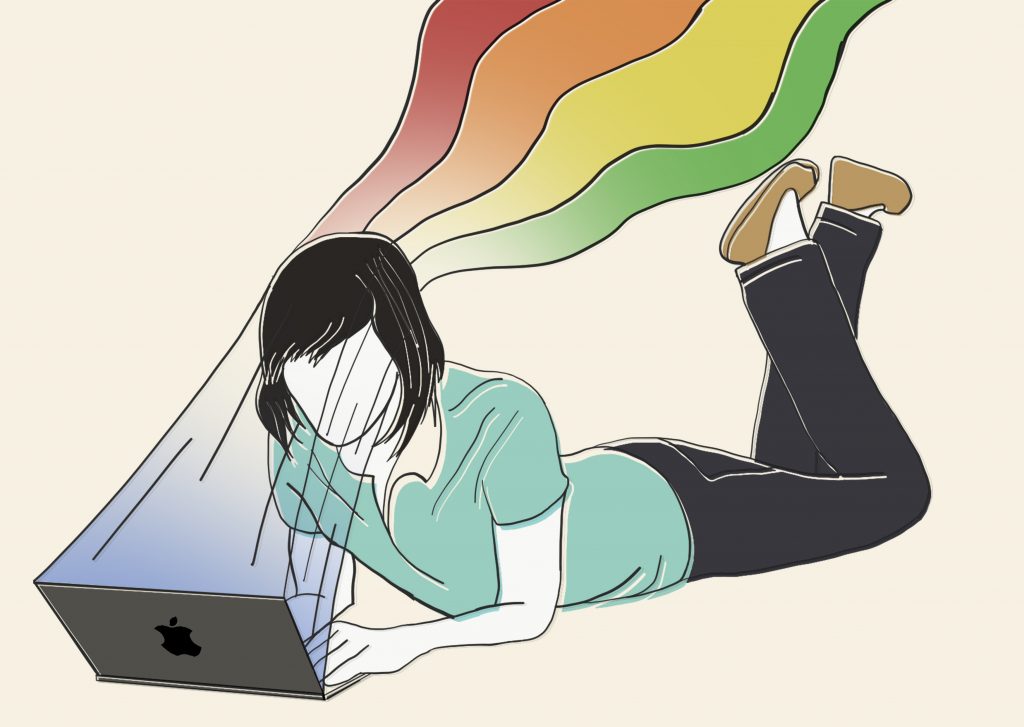
GRAPHIC: REYNARD ADRIANTO
A few months ago, I binge-watched 54 one-hour episodes of Peaky Blinders every day for four days. Tuning in to the British gangster drama with an attractive Cillian Murphy at its helm was my idea of bliss.
Since subscribing to the online video streaming site Netflix, I no longer just consume one episode at a time. I usually consume the entire season — or even seasons — of the programme at a time.
Binge-watching, the practice of watching several episodes in one sitting, is a cultural phenomenon that is gaining more popularity with online movie streaming services like Netflix and Hulu.
These streaming services practice full-season release models, letting users watch complete episodes at their convenience without pesky commercial breaks. Since then, I have never watched a single episode on its own, especially for shows with cliffhangers. I often get hooked and one episode turns to four.
Today, binge-watching is no longer a trend but the norm. In a 2017 survey by Deloitte, a professional consultancy firm, 70 per cent of Netflix users binge-watch, at an average of two to three episodes each time.
As a binge-watcher, I was pleasantly surprised to discover from scientific research studies that this is not such a harmful activity after all.
Binge-watching can actually increase the viewer’s emotional intelligence. A study by the American Psychological Association suggests binge-watching can heighten one’s understanding of plot changes and conflicting layers to a story.
Watchers become more empathetic and sensitive towards the characters because they actively participate in a character’s thought processes and decision making.
When I watch my favourite Netflix series, I end up feeling a deeper emotional connection with the characters in the show. This connection then becomes the main motivation for me to move on to the next season.
Also, binge-watching brings about an improved experience by immersing the viewer in the actual scene. Imagine being transported into the world of Orange Is the New Black, trapped in Litchfield Penitentiary, listening to Piper Chapman share her latest plan.
This is why binge-watching can evoke strong reactions from audiences, from laughter and disgust to feelings of being complete mindblown. The immersive nature of binge-watching may even be addictive. Personally, this sense of inclusion facilitated by binge-watching is why I find myself hooked to so many programmes.
With the culture of binge-watching, screenwriters have begun producing higher calibre shows, like House of Cards, as they no longer have to dilute and limit content based on screen times.
That said, while studies show prolonged periods of television watching may bring about positive effects, it is necessary for viewers to be aware of its potentially detrimental effects as well.
Last month, the University of Melbourne revealed that watching more than five hours of television in one sitting can impact one’s long-term memory.
Extreme cases of binge-watching can also cause an increased risk of inflammatory diseases, according to a Baker Hearts and Diabetes Institute study conducted this September. While it may be tempting to indulge in a whole season of Friends, it may not be so fun in the long-run.
That said, we should know where to draw the line between a leisure activity and an addiction to hit that right balance. If we find ourselves forgoing sleep or delaying assignments, it is best to switch it off. Otherwise, it won’t hurt to treat ourselves to one more episode.